
SCADA anomaly detection: early detection of technical and NIS2 security anomalies on critical infrastructures (smart grid, substations, gas and water networks) with preventive intervention before they become a fault or a cyber incident.
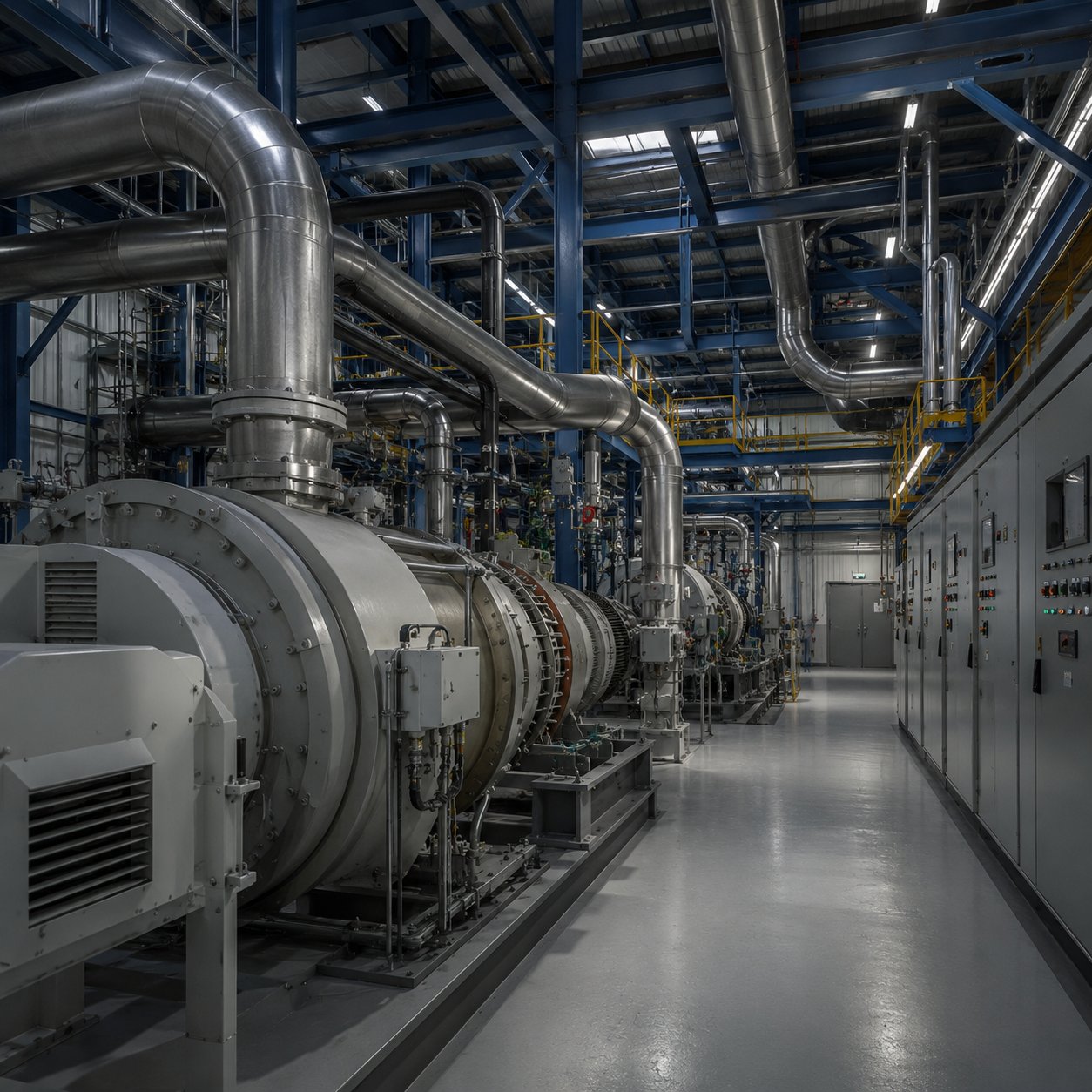
Energy & Utility
An AI agent squad for the energy and utility industry.
Polyant is the framework to build AI agent squads for regulated utilities (energy, gas, water): end-to-end coordination of outage response with field team and customer, SCADA anomaly detection with NIS2 classification, validation of energy authority disclosures before publication, pre-shift safety brief for field technicians, runtime audit registry inspectable via standard SQL. Consistent with the energy authority, NIS2, AI Act, CER.
Polyant puts an AI agent squad to work on the operational flows of the European regulated utility:
- SCADA anomaly detection with simultaneous coordination of the field team, customer care for customer communication, and the compliance officer for NIS2 reporting; pre-check of the energy authority disclosure on retail energy and gas offers before publication (pre-contractual information, transparency clauses, withdrawal conditions)
- structured smart meter data reading for billing and consumption analysis; network demand forecast in support of dispatch decisions; retail customer retention in the competitive switch window
- the runtime audit registry stays queryable by the compliance officer via standard SQL on the customer's database. The rules are written by the utility team; the agent executes, records, alerts
03 UTILITY WORKFLOWS
Four typical contexts of the regulated utility.
The areas where the agent squad supports the field, retail, and compliance teams.
End-to-end outage coordination: multi-channel customer communication, field team coordination, energy authority and telecommunications authority reporting within the regulated windows.
Energy authority disclosure and retail: validation of retail energy and gas offers pre-publication (pre-contractual information, transparency clauses, withdrawal conditions); bill verification pre-send to the customer.
Field safety and inspectable audit: pre-shift safety brief for technicians with PPE, weather, civil protection alerts; runtime audit registry queryable via standard SQL for energy authority or telecommunications authority inspection.
The agent squad combines vertical patterns calibrated on the regulated vocabulary of the sector (energy authority, NIS2, CER) with horizontal patterns (audit, safety, escalation) working under the same configuration and the same registry.
04 UTILITY SQUAD
Five coordinated agents for end-to-end outage management.
Managing an outage in a regulated utility is not a single step. It is an end-to-end flow across SCADA detection, field intervention, customer communication, ARERA reporting, and NIS2 audit. Five coordinated agents that do their part, under the same configuration and the same audit registry.
01 OUTAGE
Outage Coordinator
End-to-end orchestration of outage response: multi-channel customer communication, field team coordination, ARERA and telecommunications authority reporting within the regulated windows.
See the agent Ongoing outage ETA 35'
Zone Northeast cluster B
Field team 3 crews · in transit
Customer SLA reset · 20'
Regulator report in preparation · 4h
02 SAFETY
Field Worker Safety Brief
Pre-shift safety brief for field technicians with weather conditions, civil protection alerts, required PPE for intervention. Consistent with workplace safety legislation.
See the agent Safety brief · 06:45 12 technicians
Weather local thunderstorm
Required PPE FR · insulating · harness
Civil alert yellow · zone 3
Receipt confirmation · at the cabin
03 SCADA
SCADA Anomaly Watcher
Early detection of SCADA anomalies (technical and NIS2 security) for preventive intervention before they become a fault or a cyber incident.
See the agent SCADA · live 2 anomalies
Substation SE-104 voltage out of range
Line LV-22 current spike
NIS2 classify material · 24h timer
Alert to CISO · ticket opened
04 RISK
Grid Risk Forecast
Forecast of fault risk on specific segments combining weather data, maintenance history, asset age.
See the agent 14-day forecast 48 sections
MV-North section high
MV-East section medium
Assets > 25 years 12 replacements
Weekly maintenance plan
05 AUDIT
Audit Recorder
Records every step of the squad in the audit registry: SCADA data read, NIS2 classification applied, customer communication, ARERA report. Queryable via standard SQL for ARERA or telecommunications authority inspection.
See the agent fnol.receive 09:14:22 ALLOW
triage.classify 09:14:25 ALLOW
idd.check 09:14:31 WARN
liquidation.propose 09:15:02 ALLOW
SELECT * FROM audit_log WHERE claim_id = '2024-0847'
Need other agents for the utility? We build them together.
Five coordinated agents for outage management are an example. Every utility has different systems (SAP IS-U, NRG, proprietary platforms), specific regulations (ARERA, telecommunications authority, regional authorities), different field and customer care procedures. The agents that truly serve are built in the project, based on the work the utility team does every day.
06 REGULATORY MAPPING
Where the agents meet utility regulations.
Utility regulation is broad and evolving. Polyant does not promise complete compliance: it states what the product does day to day to support the requirements the customer's team must meet.
ARERA
ARERA, the regulatory authority for energy, networks, and environment
Regulates offers, bills, communications, and complaint handling for utilities. For AI voice assistants in energy or gas customer service, prior notice to the customer on the automated nature of the interaction is mandatory, with human fallback always guaranteed. Agents: Energy Offer Validator, Bill Validator, ARERA Disclosure Validator, Outage Coordinator.
AI Act
AI Act: critical infrastructures as high-risk systems
Management and operation of critical infrastructures, including smart grids and SCADA for energy, gas, and water, fall among the high-risk systems: explainability, human oversight, EU registration. Agents: SCADA Anomaly Watcher, Grid Risk Forecast, Demand Forecast, AI Act High-Risk Validator.
NIS2
NIS2 for utilities as essential service operators
Energy, gas, and water utilities are essential service operators with specific cybersecurity and incident-notification constraints toward the CSIRT within the regulated windows. Agents: SCADA Anomaly Watcher, NIS2 Incident Reporter.
T.U.S.
Workplace safety legislation
Workplace safety for utility field technicians with specific constraints (PPE, training, health surveillance). Pre-shift safety brief with weather conditions, civil protection alerts, required PPE for intervention. Agent: Field Worker Safety Brief.
GDPR
GDPR and utility customer data
Processing of customer data (personal data, smart meter consumption, billing data). The runtime audit registry tracks every access to customer data, inspectable via standard SQL by the DPO. Agents: Audit Recorder, Policy Mapper.
CER
CER, Critical Entities Resilience
Physical and organisational resilience of critical entities (energy, transport, water, healthcare, finance). Outage coordination with field, customer care, compliance officer under the same audit registry. Agents: Outage Coordinator, Grid Risk Forecast.
Open the transparency page for shared responsibility detail and AGPL →
Two questions from utility heads.
Utility management systems are very heterogeneous (SAP IS-U, NRG, proprietary systems). The integration is delivered during the project by the Exelab team through the APIs of the specific system.
The typical pattern is 14-22 weeks. The effective duration is defined in discovery on the real case.
From a 30-minute conversation to the squad in production.
A 30-45 minute conversation to understand how Polyant for utility applies to the customer's case and how long it takes to bring the Outage squad into production.